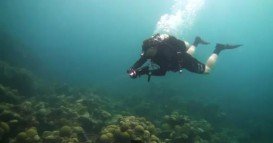
Centurion, North Head Manly
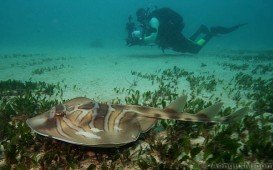
North Head is the northern headland of the entrance to Sydney Harbour. All along this section, there are several excellent dive sites.
Home  > WATER SPORTS  > Scuba Diving  > WIT Concrete Wreck, Saint Thomas
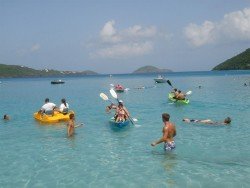
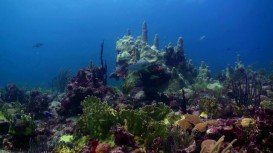
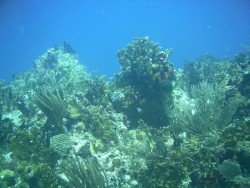
St. Thomas is well-known as the mecca for wreck fans, as it offers many spectacular wreck dive sites. With a great selection of coral reefs and a wide variety of fish species, this tropical destination attracts divers at any time of the year.
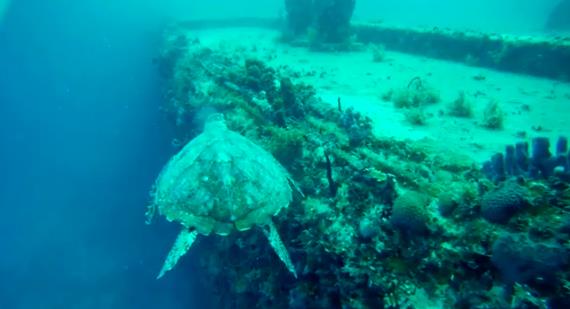
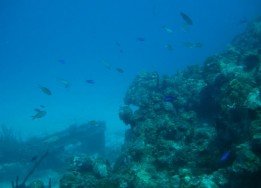
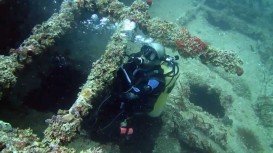
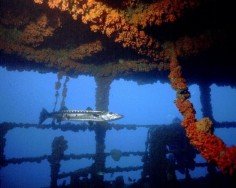
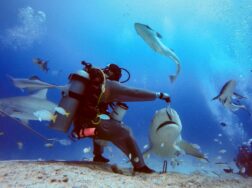
The WIT Concrete was a bulk carrier that was used to transfer fuel in the Pacific, during World War II. Unfortunately, it sank near Crown Bay during the Hurricane Marylyn in 1995. Today, it lies almost intact and upright in 31.1 m/102 ft from the surface. Divers can explore the decks and discover a lot of the internal fixtures. The site is teeming with marine life and it is usual to encounter schools of horse-eye jacks, sharks, southern stingrays, turtles and lobsters. With colorful sponges and various soft and hard corals, the spot attracts experienced divers all year round.
The average water temperature varies from 75°F/24°C in winter to 80°F/27°C in summer and the visibility ranges from 10 m/32.8 ft to 30 m/98.4 ft. Last but not least, you should book your dive in advance, as access to the dive site is only by boat. So, if you want to experience an unforgettable dive, come along, WIT Concrete awaits!!!

North Head is the northern headland of the entrance to Sydney Harbour. All along this section, there are several excellent dive sites.
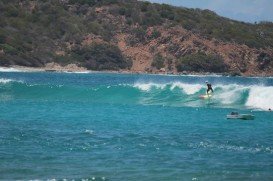
Pefkos is a small village on eastern coast of Rhodes island in Greece, the largest of the Dodecanese islands, in the southeast Aegean sea. It was known as a fishermen village, located along the coastal road. Now it is a beach resort with a veil of pine trees in every direction, that's why it was named Pefkos.
South Head is the southern headland of the entrance to Sydney Harbor, at the north of the suburb of Watsons Bay. Hornby Lighthouse, the third oldest lighthouse in New South Wales, is located in South Head.
Bermuda, also known as the Bermudas, is situated off the east coast of the United States. It might seem as a long distance destination, but in fact it is less than 2 hours away from most eastern US airports. Bermuda enjoys a humid subtropical climate, with mild and windy winters and hot summers.The island is divided into nine parishes and two incorporated municipalities. Hamilton is the capital city of Bermuda. It is a wonderful, harbor city full of sights of historical interest, beautiful gardens and incredible restaurants.
The Virgin Islands of the United States, or the U.S. Virgin Islands lie in the Caribbean Sea, east of Puerto Rico. This group of islands consist of the main islands of Saint Thomas, which is home to the capital city of the U.S. Virgin Islands, Saint John, Saint Croix, Water Island and other surrounding minor islands.The climate here is classified as tropical savanna climate, mostly affected by moderate trade winds.
Perth is the capital city of Western Australia, located on the Swan River. The climate here is classified as Mediterranean, with hot and dry summers and cool and wet winters. Immerse yourself in the unique combination of stunning natural surroundings, beautiful beaches with clear waters, greenery park-lands and outstanding city architecture that attract visitors all year long.
The Virgin Islands of the United States, or the U.S. Virgin Islands lie in the Caribbean Sea, east of Puerto Rico. This group of islands consist of the main islands of Saint Thomas, which is home to the capital city of the U.S. Virgin Islands, Saint John, Saint Croix, Water Island and other surrounding minor islands.The climate here is classified as tropical savanna climate, mostly affected by moderate trade winds.