Hang Gliding in Cortina d’ Ampezzo, Belluno,
Veneto Italy
Flying season:
June to October
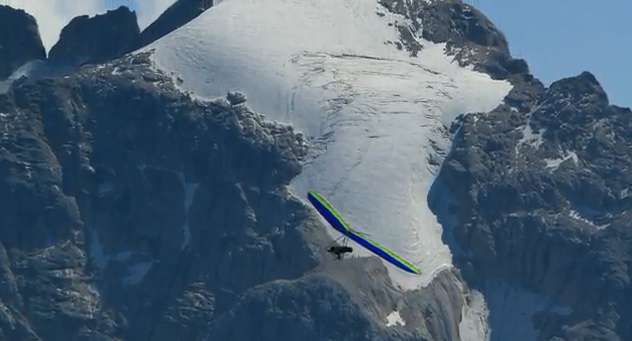
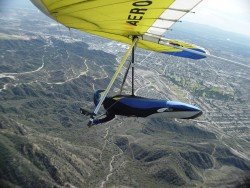
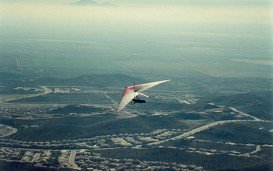
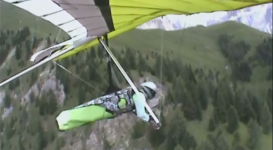
Cortina d' Ampezzo has been since the 70' the most important flying area in Italy and Europe as well. The Free Flight Italian Federation has been founded on the spot in 1976, while many free flight clubs have started to operate in the same year.
Cortina is the location where many and very important national and international competitions and championships take place. After a short period, when the free flight has been banned, Cortina returns to play an important role to the sport. The flying season begins in June and it ends in October.
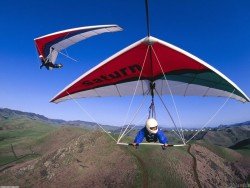
Recommended points are the Val di Cresta and the Bretonico Plateau. Flying under the alpine sky would be without doubt an unforgettable experience full of images and emotions!!!
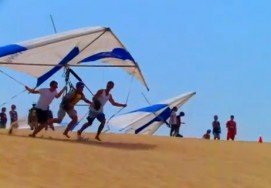
Jockey's Ridge State Park is located in Dare County on the Outer Banks. It is open all year round except from Christmas Day and it covers an area of 426 ac /1.72 km². In order to satisfy your curiosity, visit this park and enjoy yourself performing hang-gliding.
The Free State is situated on the flat boundless plains in the heart of South Africa. Known locally as the "breadbasket" of South Africa, it is an agricultural city and most of its land lies at 1000 m/3281 ft above sea level. It is the land of rugby, sunny skies and characterized by a continental climate, with warm to hot summers and cool to cold winters.
Nevis Range is a sport resort on the southern slopes of Aonach Mor, that offers a wide range of many extreme or less extreme sports to its visitors. It is located at about 6 mi/10 km from Fort William, the largest town of the Highlands in Scotland.
Valle de Bravo is a town and municipality situated on the shore of Lake Avandaro, in the state of Mexico. It is a popular weekend destination for Mexico City's wealthy families, since it is only 2 hours away from the capital. Valle de Bravo is also a popular area for paragliding and hang gliding.
Lake Havasu is situated behind Parker Dam on the Colorado River, just on the border that joins California with Arizona. On the eastern shore of the lake lies Lake Havasu City.
Trentino - Alto Adige, in northern Italy, has recently become a point of attraction for the enthusiasts of hand gliding. The famous Dolomites di Brenta mountain group is a hot spot for flying, due to its plentiful peaks and slopes.
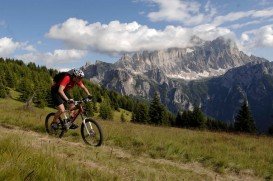
The Alpine landscape is the ideal arena for hiking up the mountains. Mountain chains, hills and peaks emerged in an incredible natural panorama offers endless opportunities for hiking.
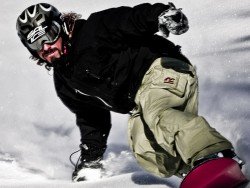
It’s time for the 3rd Qparks Tour Stop, this time at the Snowpark Schöneben, around Reschenpass region in Italy. The Tour Stop is scheduled for the 16th of January 2016 and as previous events of the Tour it enjoys the sponsorship of major brands, like Anon, Neff, Amplifi and Qparks.
Val Senales, located in the western foothills of the Dolomites mountain chain, 29 km/18 mi from Merano town, is the ideal arena for the snowboarding enthusiast.
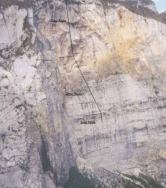
In the foothills of Monte Brento, on the Trentino side of Garda Lake and just 10 minutes from Arco town, Base Jumping lovers can really enjoy their favorite sport in one of the most challenging and amazing walls in Europe.
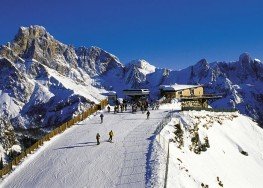
On the foothills of the Alps and with a three extensive mountainous group, Dolomites di Brenta, Solda and Panarotta mountain chains, Trentino is a wide-ranging natural playing field for a number of sports activities, specially for alpine skiing.
In an almost entirely mountainous region, located in northern Italy and surrounded by incredible alpine nature and the Dolomites mountain range, Moena's beautiful village is one of the top destinations for tourists.
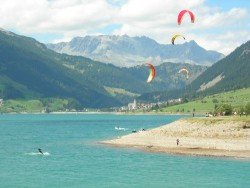
In the last years, kite surfing has become a very popular water sport. In Cortina d’ Ampezzo, in Veneto region, on the foothills of Dolomites mountains, this new trend offers thrilling moments to the fans.
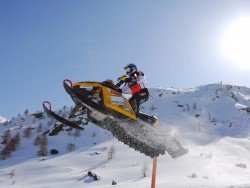
Snowmobiling seems to be the most comfortable way to enjoy the snow. It is a high-speed relaxing way to reach distant spots or shelters, in high altitude, just to have lunch or dinner there.